The best definition of biotechnology is "the valorization of living organisms for human benefit."
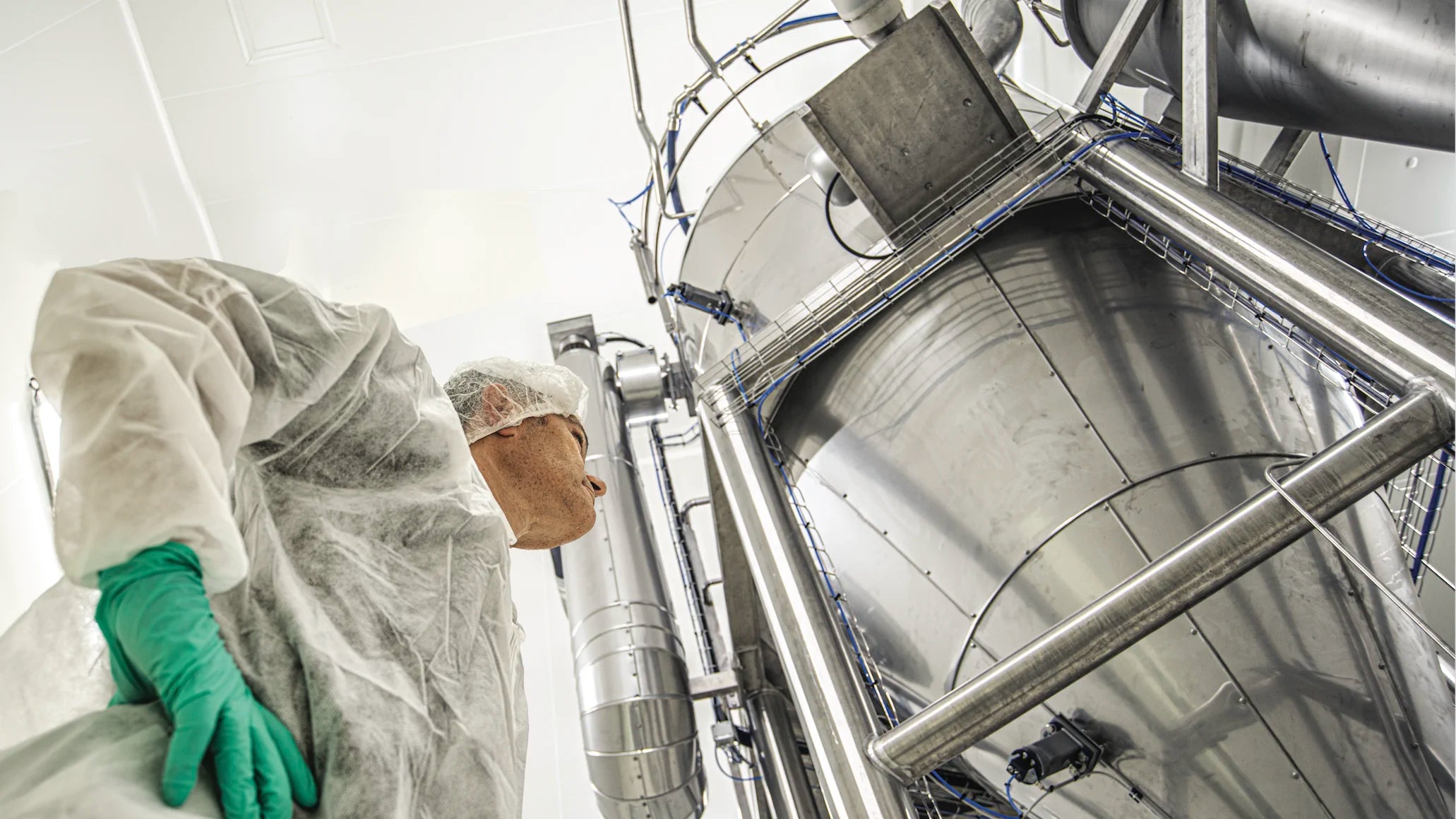
Thanks to biotechnologies, we are improving our quality of life through applications dedicated to health, cosmetics, agri-food, the environment, and alternative solutions to fossil raw materials... We can thus envision meeting the needs of a global population growing exponentially by the end of this century.
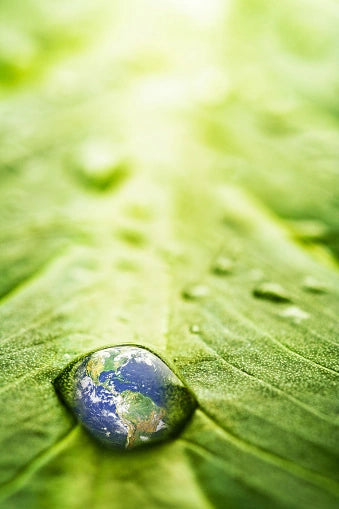
Because the natural benefits of microorganisms are applicable to all markets.
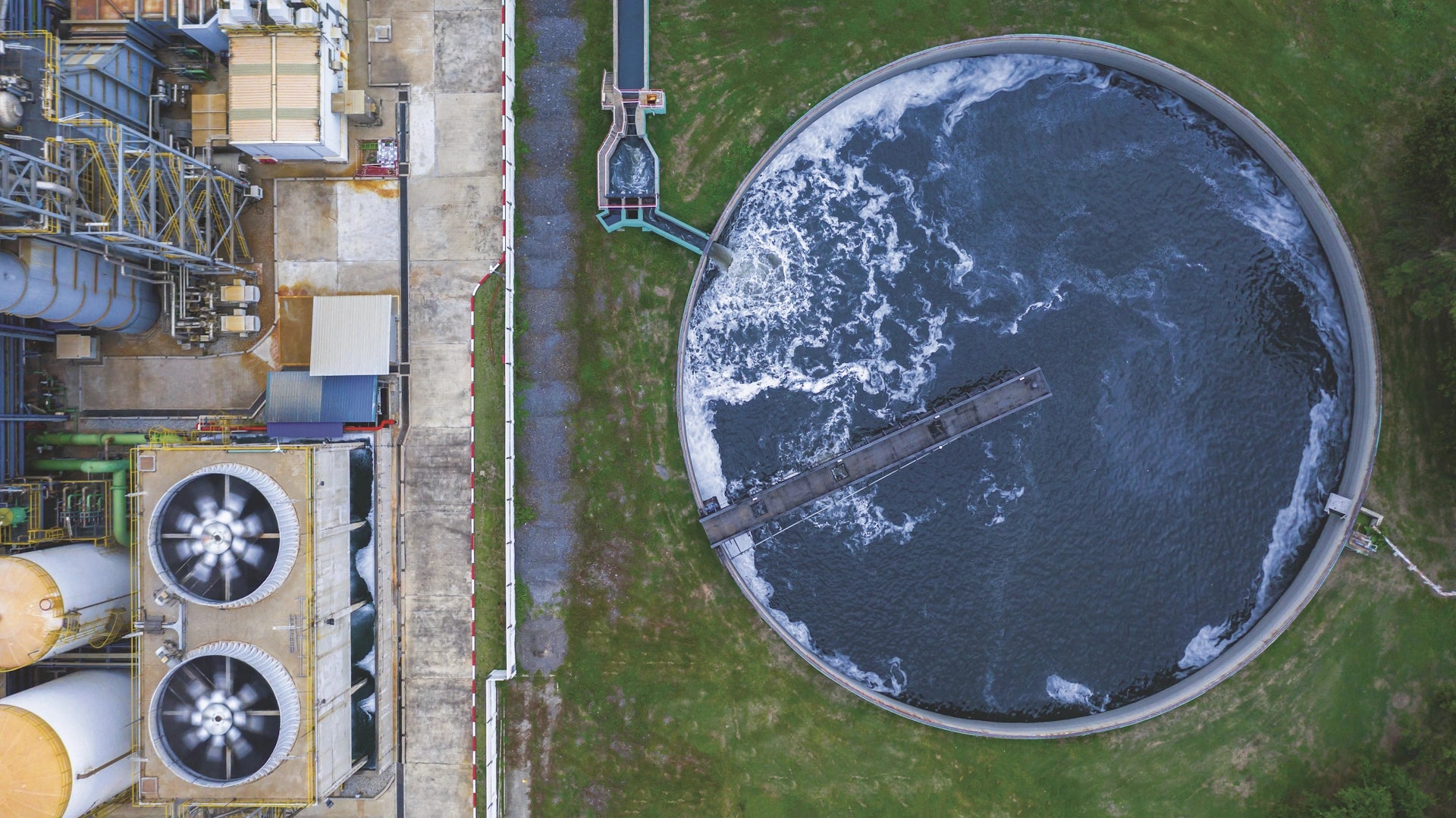
Greentech, the parent company of Greencell, has also participated in the transformation of the cosmetics industry, becoming the supplier of high-performance plant-based ingredients to the top 10 global brands. Greencell utilizes microorganisms for depollution, as alternatives to pesticides in agriculture, and explores the vast prospects of the microbiome. Greencell also supports the pharmaceutical industry, cosmetic brands, and players in water and soil depollution, notably with specific microbial cocktails that improve the performance of wastewater treatment plants (reducing foul odors, improving treatment efficiency, reducing operating costs). "We treat effluents using yeasts, bacteria, and fungi, resulting in 30% less sludge... In addition to the soil microbiota, in the health domain, we work with the gut microbiota. In collaboration with pharmaceutical laboratories, we will thus be able to offer solutions against Crohn's disease, but our research also focuses on neurodegenerative diseases such as autism, Parkinson's, and Alzheimer's, in relation to the microbiota."
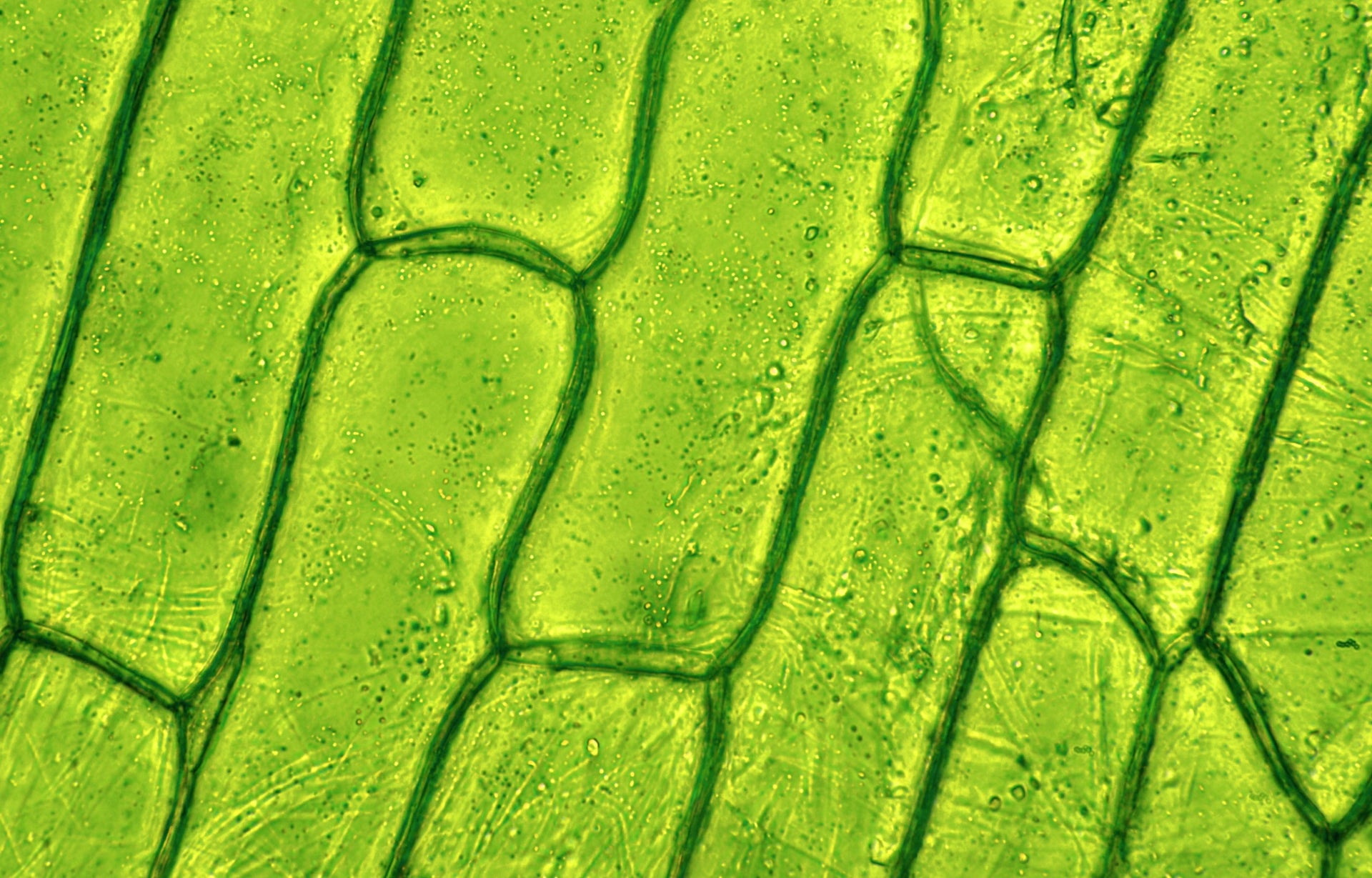
Because agroecology is the new agronomy.
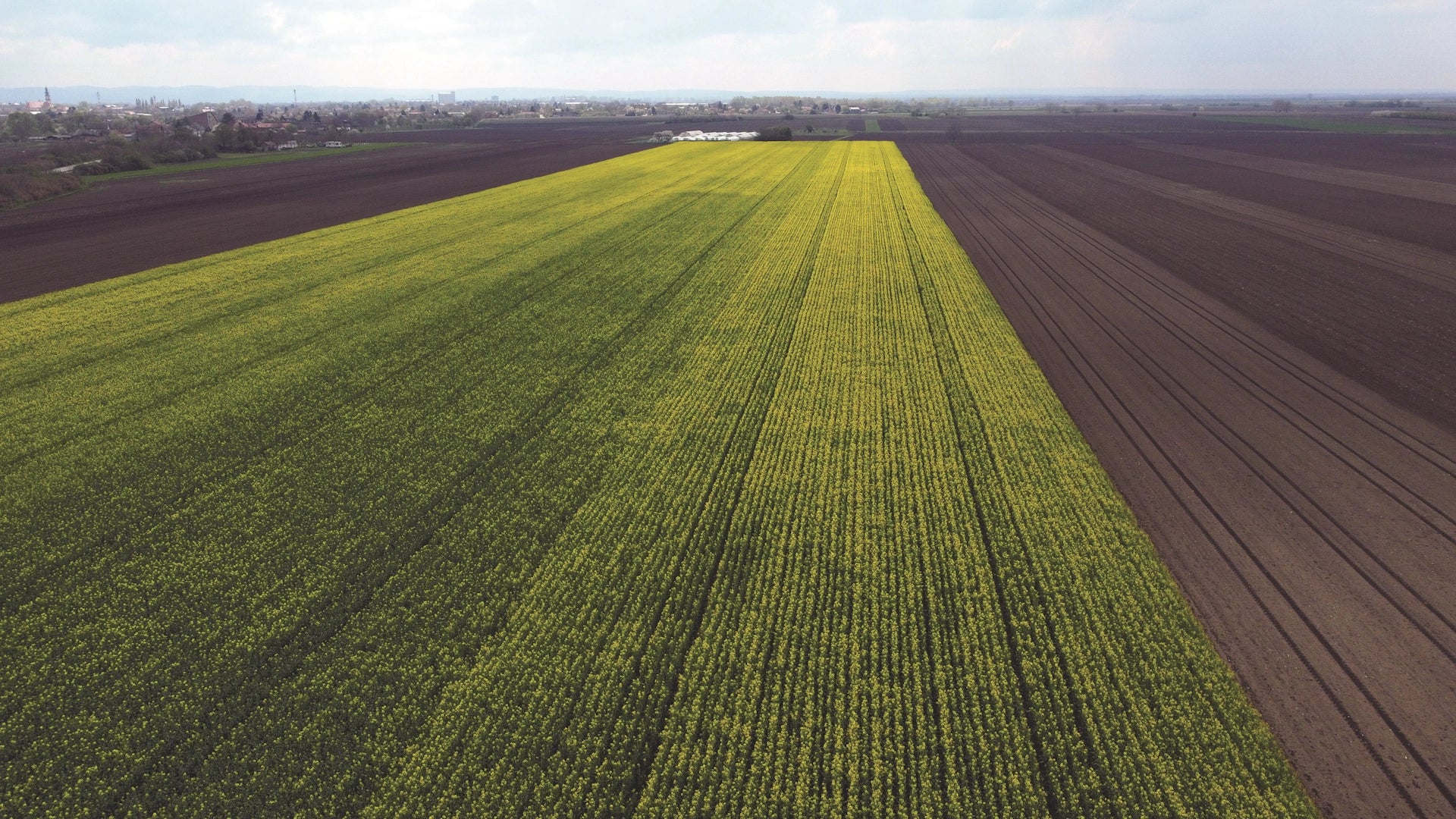
The impact of industrial agriculture on the environment, its massive development in the face of the need to feed the world's population, is the major challenge of the coming years: a new agronomy is striving to innovate for sustainable agriculture, respecting the planet and its resources. In the search for natural alternatives to the use of chemical fertilizers or pesticides, two types of solutions are particularly prominent: biofertilization and biocontrol, whose official definition is the set of plant protection methods that use natural mechanisms. "These are all the substitute products for traditional synthetic chemistry that can be used for crop protection; it's a great way to fight against plant diseases while respecting our environment and our health," explains Jean-Yves Berthon, CEO. "At Greencell, we select microorganisms naturally present in the soil and on plants to develop new products that, once used on crops, create an environment favorable to their development while naturally protecting them against pathogen attack. In terms of biocontrol products, we have succeeded in developing treatments against wheat fusarium, grapevine trunk disease, and canola sclerotinia.
Because soil is at the crossroads of the major challenges of our time.
Soils, probably one of humanity's most precious assets, are at the crossroads of the major challenges of our time: food security, the quality of food, water, air, the environment, and climate.
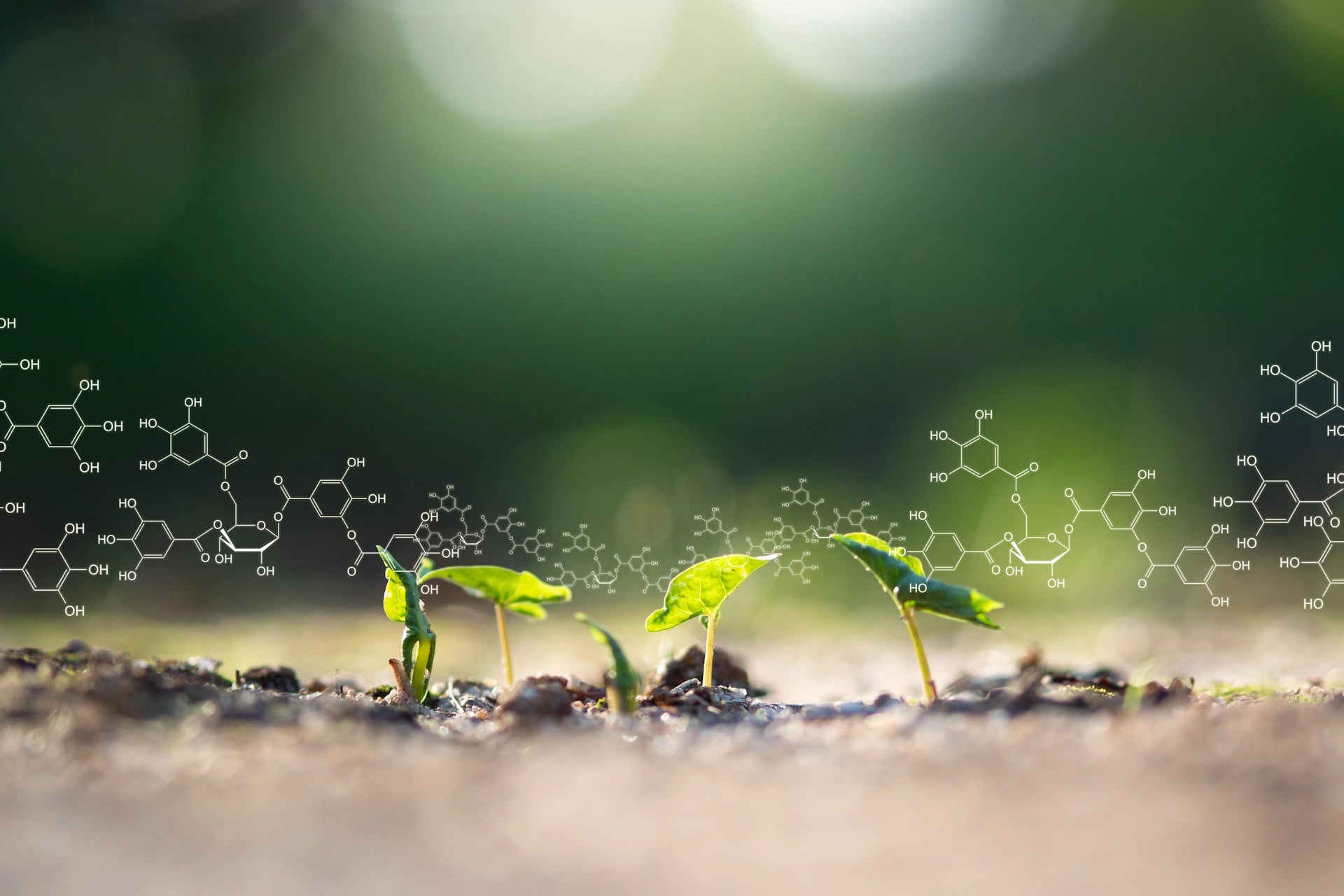
Healthy soils are a major concern
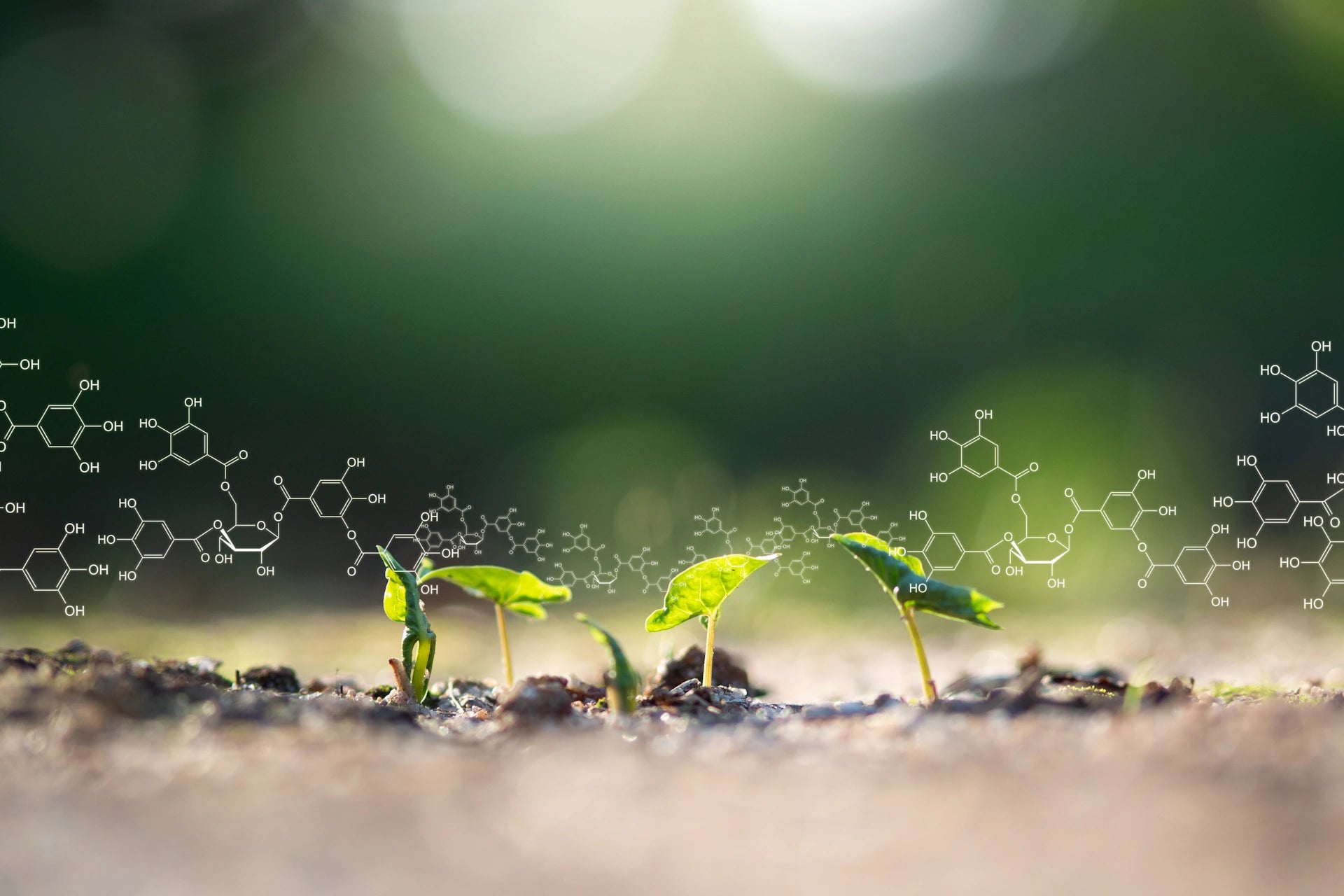
One of Greencell's major concerns. Soil microbiota consists of all the microorganisms (bacteria, fungi, etc.) living in the soil. Two types of compartments can be distinguished: the free soil, without any direct influence from plant roots, and the rhizosphere, which is the soil zone located near the roots, intimately linked to the root system, and under the influence of the plant's metabolism. Microorganisms in the rhizosphere have close relationships with plants. Soil microbiota therefore plays a major role in maintaining soil health through a set of complex activities and interactions with plants. It contributes to soil structuring: by producing organic molecules, bacteria enable the formation of aggregates, promoting soil aeration and water passage, making it more favorable for plant development. With the slogan "healthy soils for a healthy life" for its 2015 campaign, declared by the United Nations as the "International Year of Soils," the FAO (Food and Agriculture Organization) aimed to raise global awareness that soils, probably one of humanity's most precious assets, are at the crossroads of the major challenges of our time: food security, the quality of food, water, air, the environment, and the climate.